**الاستقرار المفقود: كيف نُهدر الفرص حين نؤجل الحسم**
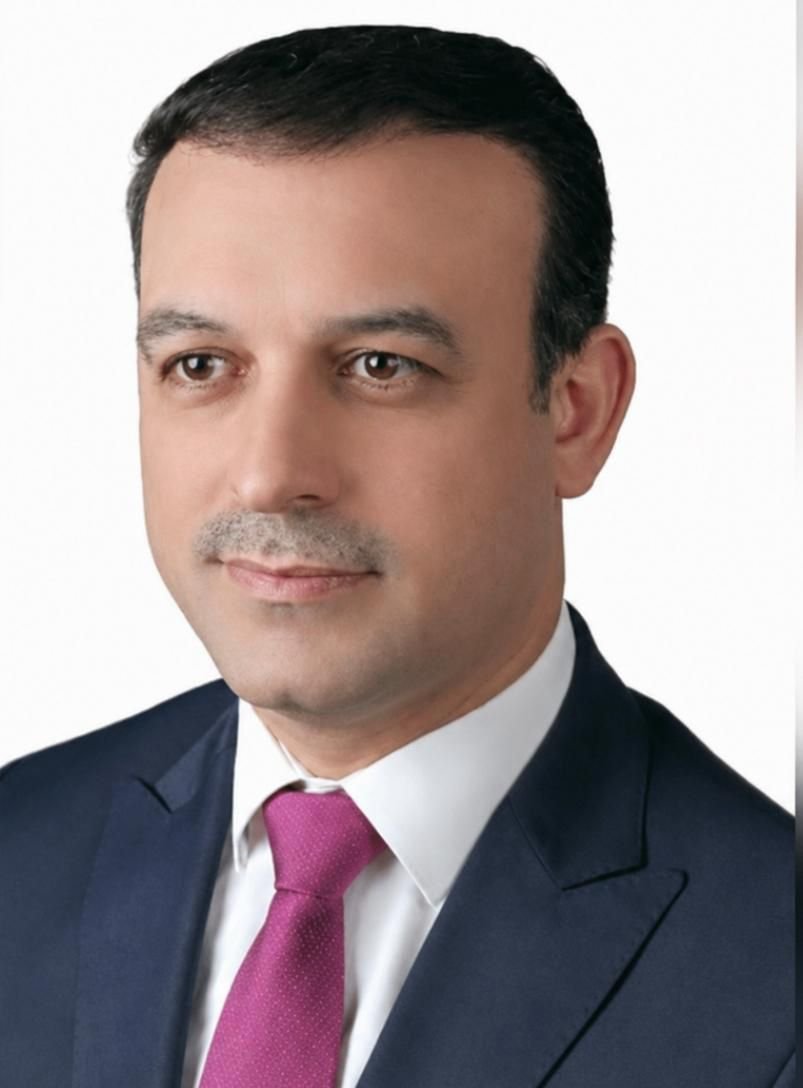
ا. محمد الشيخوني
بين وهم إدارة الصراع وغياب قرار السلام، يتآكل الداخل وتضيع فرص الاستقرار. ليست المشكلة في تعقيد الأزمات بقدر ما هي في إطالة أمدها، حتى تصبح كلفة الاستمرار فيها أعلى من كلفة إنهائها، ومع ذلك نستمر.
حين يعجز الوعي عن إنتاج حلول، تتكفّل الصراعات باستكمال المشهد. وحين تتأخر القرارات الحاسمة، لا يتوقف الزمن بانتظارنا، بل تمضي المجتمعات الأخرى في بناء استقرارها بينما نُعيد نحن تدوير أزماتنا ذاتها.
ليس السؤال الحقيقي لماذا يتأخر السلام، بل لماذا لا نختاره في اللحظة التي يصبح فيها ممكنًا.
في هذه الجغرافيا التي أسهمت يومًا في تشكيل الوعي الإنساني، يبدو المشهد اليوم أكثر قسوة مما ينبغي: عالم يتقدّم، ونحن نراوح في الانتظار. وليس ذلك نتيجة نقص في الموارد أو غياب في الكفاءات أو انقطاع في الإرث الحضاري، بل نتيجة مباشرة لعجزنا عن حسم صراعنا الأعمق، صراعنا مع ذواتنا.
لم تعد الأزمة خارجية كما اعتدنا توصيفها، بل أصبحت كامنة في الداخل؛ حيث تتسع الشروخ، وتتضخم الهويات الضيقة، ويتراجع الحسّ الجمعي لصالح نزاعات لا تنتج إلا مزيدًا من الهشاشة. لسنوات طويلة، ألقينا بثقل أزماتنا على العوامل الدولية، غير أن الحقيقة الأكثر وضوحًا هي عجزنا عن بناء قاعدة داخلية متماسكة قادرة على إنتاج الاستقرار.
تبدّلت التحالفات، وتغيّرت موازين القوى، وسقطت مشاريع وظهرت أخرى، لكن النتيجة بقيت واحدة: غياب الاستقرار الحقيقي. وهذا الغياب لا يُفسَّر فقط بتدخلات الخارج، بل بفشل الداخل في صياغة نموذج مستدام للتعايش.
وهنا يفرض السؤال نفسه: لماذا لا يكون السلام خيارًا أوليًا، بدل أن يتحوّل إلى مخرج اضطراري بعد استنزاف كل شيء؟
السلام ليس حالة عاطفية، ولا شعارًا أخلاقيًا للاستهلاك، بل قرار استراتيجي يتطلب كلفة عند اتخاذه، لكنه يبقى الأقل كلفة على المدى البعيد. إنه يحتاج إلى شجاعة مختلفة: شجاعة الاعتراف لا المواجهة فقط، شجاعة التنازل المتبادل لا إقصاء الآخر.
إن أخطر ما نواجهه ليس الاختلاف، بل إدارة هذا الاختلاف بعقلية الصراع الصفري: إما انتصار كامل أو خسارة كاملة. وقد أثبتت هذه المعادلة فشلها، لأنها تقوّض أي إمكانية لاستقرار طويل الأمد، وتُبقي المجتمعات رهينة لحالة توتر دائم.
في المقابل، لا يمكن لأي مجتمع أن ينهض دون قاعدة أخلاقية صلبة. فالعدالة ليست ترفًا، والكرامة ليست مطلبًا هامشيًا، والتسامح ليس ضعفًا. هذه ليست شعارات مثالية، بل شروط تأسيس لأي نظام قابل للحياة. حين تُنتهك كرامة الإنسان يبدأ التفكك، وحين تُصان يبدأ البناء.
ما نحتاج إليه ليس معجزات سياسية، بل وضوح داخلي: أن ندرك أننا شركاء في المصير مهما اختلفنا، وأن استمرار الصراع لم يعد خيارًا عقلانيًا ولا مبررًا أخلاقيًا.
إن الاستمرار في استنزاف الذات تحت ذرائع الصراع لم يعد قابلًا للتبرير. فما الذي نحافظ عليه إذا خسرنا الإنسان؟ وما الذي نكسبه إذا خسرنا المستقبل؟
الحل، رغم تعقيده الظاهري، يبدأ بخطوة واضحة: إعادة بناء الثقة. وهذه لا تُفرض بقرارات فوقية، بل تُبنى عبر الاعتراف المتبادل، وفتح قنوات الحوار، وإغلاق أبواب التخوين والإقصاء. إن الجلوس إلى طاولة واحدة لم يعد خيارًا سياسيًا، بل ضرورة وجودية.
في عالم يتأرجح بين منطق القوة الصلبة والتأثير الناعم، تحوّلنا في كثير من الأحيان إلى ساحة صراع بدل أن نكون طرفًا فاعلًا فيه. وهذه ليست أزمة جغرافيا، بل أزمة دور؛ لأن من لا يحدد موقعه بنفسه، سيُفرض عليه موقعه.
الحقيقة التي يجب أن تُقال بوضوح: لا أحد سيبني استقرارنا نيابةً عنا، ولا أحد أكثر حرصًا على مستقبلنا منا.
إعادة تعريف الذات الجماعية لم تعد ترفًا فكريًا، بل ضرورة سياسية. الانتقال من حالة الردّ إلى الفعل، من موقع المتلقي إلى موقع المبادر، من عقلية الضحية إلى عقلية الشريك.
لسنا محكومين بالصراع، بل اعتدنا عليه. وهذا الاعتياد هو الخطر الحقيقي.
هذه الأرض لا ينقصها شيء لتكون نموذجًا حضاريًا، إلا أن يقرّر أبناؤها، بوعي صريح وإرادة حقيقية..
Lost Stability: How We Squander Opportunity by Delaying Resolution
Caught between the illusion of conflict management and the absence of a decisive peace, the internal fabric erodes while opportunities for stability steadily vanish. The core problem lies not in the complexity of crises, but in their deliberate prolongation—until the cost of sustaining them surpasses the cost of resolving them, yet the cycle continues.
When collective awareness fails to produce viable solutions, conflict assumes control of the narrative. And when decisive action is deferred, time does not pause in anticipation; other societies advance toward stability, while we remain trapped in the perpetual recycling of the same crises.
The real question, then, is not why peace is delayed, but why it is not chosen the moment it becomes attainable.
In a region that once helped shape human consciousness, today’s reality is unnecessarily harsh: a world moving forward, while we remain suspended in inertia. This stagnation is not the result of limited resources, a deficit of talent, or a fractured civilizational legacy. Rather, it is the direct outcome of our inability to confront and resolve our most profound conflict—the one within.
The crisis is no longer external, as it has long been framed. It is internal—manifested in widening fractures, intensifying narrow identities, and the erosion of collective consciousness in favor of conflicts that yield nothing but deeper fragility. For years, responsibility has been projected outward, onto international dynamics. Yet the more evident truth is our failure to construct a cohesive internal foundation capable of generating sustainable stability.
Alliances have shifted, power balances have evolved, projects have collapsed and others have emerged—yet the outcome remains unchanged: the absence of genuine stability. This absence cannot be explained solely by external interference, but by the ’s inability to articulate a viable and enduring model of coexistence.
This raises a fundamental question: why is peace not treated as a primary strategic choice, rather than a last resort after total exhaustion?
Peace is neither an emotional condition nor a consumable moral slogan. It is a strategic decision—costly at the moment of adoption, yet invariably less costly over time. It demands a different kind of courage: the courage to acknowledge rather than merely confront, the courage to compromise rather than exclude.
The central challenge is not difference itself, but the management of difference through a zero-sum framework—total victory or total defeat. This paradigm has consistently proven its failure, as it undermines the very possibility of long-term stability and traps societies in a state of perpetual tension.
No society can rise without a firm ethical foundation. Justice is not a luxury. Dignity is not negotiable. Tolerance is not weakness. These are not abstract ideals, but structural prerequisites for any system capable of enduring. Where dignity is violated, fragmentation begins; where it is preserved, the process of reconstruction takes root.
What is required is not political miracles, but internal clarity: a recognition that we are partners in a shared destiny, regardless of our differences, and that the continuation of conflict is no longer defensible—neither rationally nor morally.
The sustained self-exhaustion under the pretext of conflict has become indefensible. What, ultimately, are we preserving if we lose the human being? And what do we gain if we forfeit the future?
Despite its apparent complexity, the path forward begins with a clear and pragmatic step: rebuilding trust. This cannot be imposed from above, but must be cultivated through mutual recognition, open dialogue, and the dismantling of exclusionary and accusatory frameworks. Sitting at a common table is no longer a political option—it is an existential imperative.
In a world oscillating between hard power and soft influence, we have too often been reduced to an arena of conflict rather than an active agent within it. This reflects not a crisis of geography, but a crisis of role—for those who fail to define their position will inevitably have it defined for them.
One truth must be stated without ambiguity: no external actor will build our stability on our behalf, and no one has a greater stake in our future than we do.
Redefining the collective self is no longer an intellectual exercise, but a political necessity. It requires a transition—from reaction to initiative, from passivity to agency, from a victim mindset to a partnership mindset.
We are not destined for conflict; we have merely become accustomed to it. And that habituation is the real danger.
This land lacks nothing to become a model of civilization—except for a conscious decision by its people, grounded in clarity and driven by genuine will
היציבות האבודה: כיצד אנו מבזבזים הזדמנויות כאשר אנו דוחים הכרעות
בין אשליית ניהול הסכסוך לבין היעדר החלטה לשלום, המרחב הפנימי נשחק והזדמנויות ליציבות מתבזבזות. הבעיה איננה במורכבות המשברים, אלא בהארכת משכם עד שהעלות של המשך קיומם עולה על עלות סיומם – ובכל זאת אנו ממשיכים.
כאשר התודעה אינה מצליחה לייצר פתרונות, הסכסוכים משלימים את התמונה. וכאשר ההחלטות המכריעות מתעכבות, הזמן אינו עוצר להמתין לנו; חברות אחרות מתקדמות בבניית יציבותן, בעוד אנו ממחזרים את אותם משברים.
השאלה האמיתית איננה מדוע השלום מתעכב, אלא מדוע איננו בוחרים בו ברגע שבו הוא נעשה אפשרי.
בגאוגרפיה הזו, אשר תרמה בעבר לעיצוב התודעה האנושית, המציאות כיום נראית קשה יותר מן הראוי: עולם שמתקדם, ואנו עומדים במקום. אין זה נובע ממחסור במשאבים, מהיעדר כישורים או מהפסקה של המורשת התרבותית, אלא מכישלוננו להכריע את הסכסוך העמוק ביותר – הסכסוך עם עצמנו.
המשבר איננו עוד חיצוני בלבד כפי שנהגנו לתארו, אלא הפך לפנימי; שם מתרחבים הסדקים, הזהויות הצרות מתעצמות, והתחושה הקולקטיבית נסוגה לטובת מאבקים שמייצרים רק שבריריות נוספת. במשך שנים רבות הטלנו את משקל בעיותינו על גורמים בינלאומיים, אך האמת הברורה יותר היא כישלוננו לבנות בסיס פנימי מלוכד המסוגל לייצר יציבות.
הבריתות השתנו, מאזן הכוחות השתנה, פרויקטים נפלו ואחרים צמחו – אך התוצאה נותרה אחת: היעדר יציבות אמיתית. והיעדר זה אינו מוסבר רק בהתערבות חיצונית, אלא גם בכישלון פנימי לנסח מודל בר-קיימא של חיים משותפים.
וכאן עולה השאלה: מדוע השלום איננו בחירה ראשונית, אלא הופך למוצא כפוי לאחר מיצוי כל המשאבים?
השלום איננו מצב רגשי או סיסמה מוסרית לצריכה ציבורית, אלא החלטה אסטרטגית הדורשת מחיר בעת קבלתה – אך נותרת הזולה ביותר בטווח הארוך. הוא דורש סוג אחר של אומץ: אומץ להכיר, לא רק להתעמת; אומץ לפשרות הדדיות, לא להדרה.
הסכנה הגדולה ביותר איננה השוני, אלא ניהולו מתוך תפיסה של משחק סכום אפס: או ניצחון מוחלט או הפסד מוחלט. גישה זו הוכחה ככושלת, משום שהיא מערערת כל אפשרות ליציבות ארוכת טווח ומשאירה את החברה במתח מתמיד.
מנגד, שום חברה אינה יכולה להתקדם ללא בסיס מוסרי מוצק. הצדק איננו מותרות, הכבוד איננו דרישה שולית, והסובלנות איננה חולשה. אלה אינם סיסמאות אידיאליות, אלא תנאי יסוד לכל מערכת בת-קיימא. כאשר כבוד האדם נפגע – מתחיל הפירוק; כאשר הוא נשמר – מתחיל הבניין.
מה שנדרש איננו ניסים פוליטיים, אלא בהירות פנימית: להבין שאנו שותפים לגורל, על אף השוני; ולהכיר בכך שהמשך הסכסוך איננו עוד בחירה רציונלית ואיננו מוצדק מוסרית.
המשך שחיקת העצמי תחת תירוצי הסכסוך אינו ניתן עוד להצדקה. מה אנו שומרים אם איבדנו את האדם? ומה אנו מרוויחים אם איבדנו את העתיד?
הפתרון, למרות מורכבותו לכאורה, מתחיל בצעד ברור: בנייה מחדש של אמון. וזה איננו נכפה בהחלטות מלמעלה, אלא נבנה באמצעות הכרה הדדית, פתיחת ערוצי דיאלוג, וסגירת דלתות ההאשמה וההדרה. הישיבה סביב שולחן אחד איננה עוד בחירה פוליטית – אלא הכרח קיומי.
בעולם המתנדנד בין עוצמה קשה להשפעה רכה, הפכנו לא פעם לזירת מאבק במקום להיות שחקן פעיל בו. אין זו בעיית גאוגרפיה, אלא בעיית תפקיד; משום שמי שאינו מגדיר את מקומו בעצמו – מקומו יוכתב לו.
האמת שיש לומר בבירור: איש לא יבנה את יציבותנו במקומנו, ואיש אינו דואג לעתידנו יותר מאיתנו.
הגדרה מחודשת של הזהות הקולקטיבית איננה עוד מותרות אינטלקטואלית, אלא הכרח פוליטי: מעבר ממצב של תגובה לפעולה, ממעמד של מקבל למעמד של יוזם, מתודעת קורבן לתודעת שותף.
איננו נידונים לסכסוך – התרגלנו אליו. וההרגל הזה הוא הסכנה האמיתית.
לארץ הזו לא חסר דבר כדי להיות מודל תרבותי, אלא החלטה של בניה – מתוך מודעות ברורה ורצון אמיתי.